

01
02
03
04
05
06
07
08
Understanding Sri Lanka’s Electricity System – Made Simple
Electricity has become a major topic of discussion in Sri Lanka today. With more renewable energy sources such as solar, wind, and hydro being added to the national grid, many new stakeholders are entering the electricity sector. Because of this, both industry professionals and the general public are increasingly interested in understanding how the power system works—especially how renewable energy fits into it.
The Electricity Dispatch Data Dashboard, launched by the Public Utilities Commission of Sri Lanka (PUCSL), is an online platform that provides up-to-date information on how electricity is generated and supplied across the country. It is a valuable resource not only for energy experts, researchers, and policymakers, but also for any citizen who wants to learn more about where their electricity comes from.
You can explore the dashboard here:
https://gendata.pucsl.gov.lk/home
Key benefits of the dashboard include:
- Greater transparency in Sri Lanka’s electricity sector
- Encouraging data-driven discussions and better decision-making
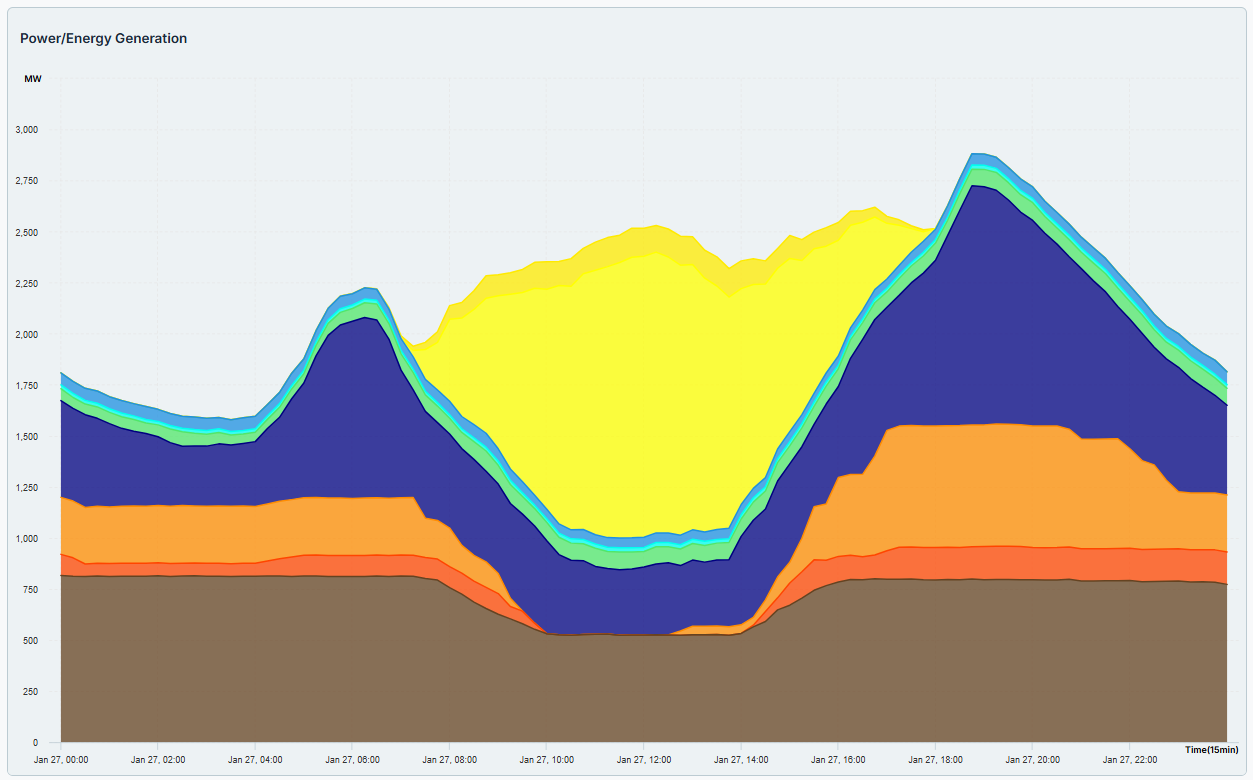
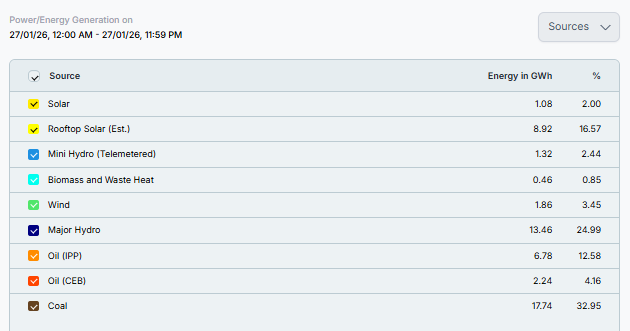
One of the most useful features is the Daily Generation Profile, which shows the country’s energy mix for a given day. For example, the chart for 27 January 2026 highlights how different energy sources worked together to meet the nation’s electricity demand.
At present, Sri Lanka generates electricity using nine energy sources, which can be grouped into two categories:
✅ Renewable energy (naturally replenished sources):
- Solar (rooftop and ground-mounted)
- Hydro (mini hydro and large dams)
- Wind
- Biomass and waste heat
⚡ Non-renewable energy (finite sources):
- Coal
- Oil-powered plants
Sri Lanka is not alone in sharing this kind of information. Many countries provide public access to electricity data so people can better understand their energy systems and the progress of renewable energy.
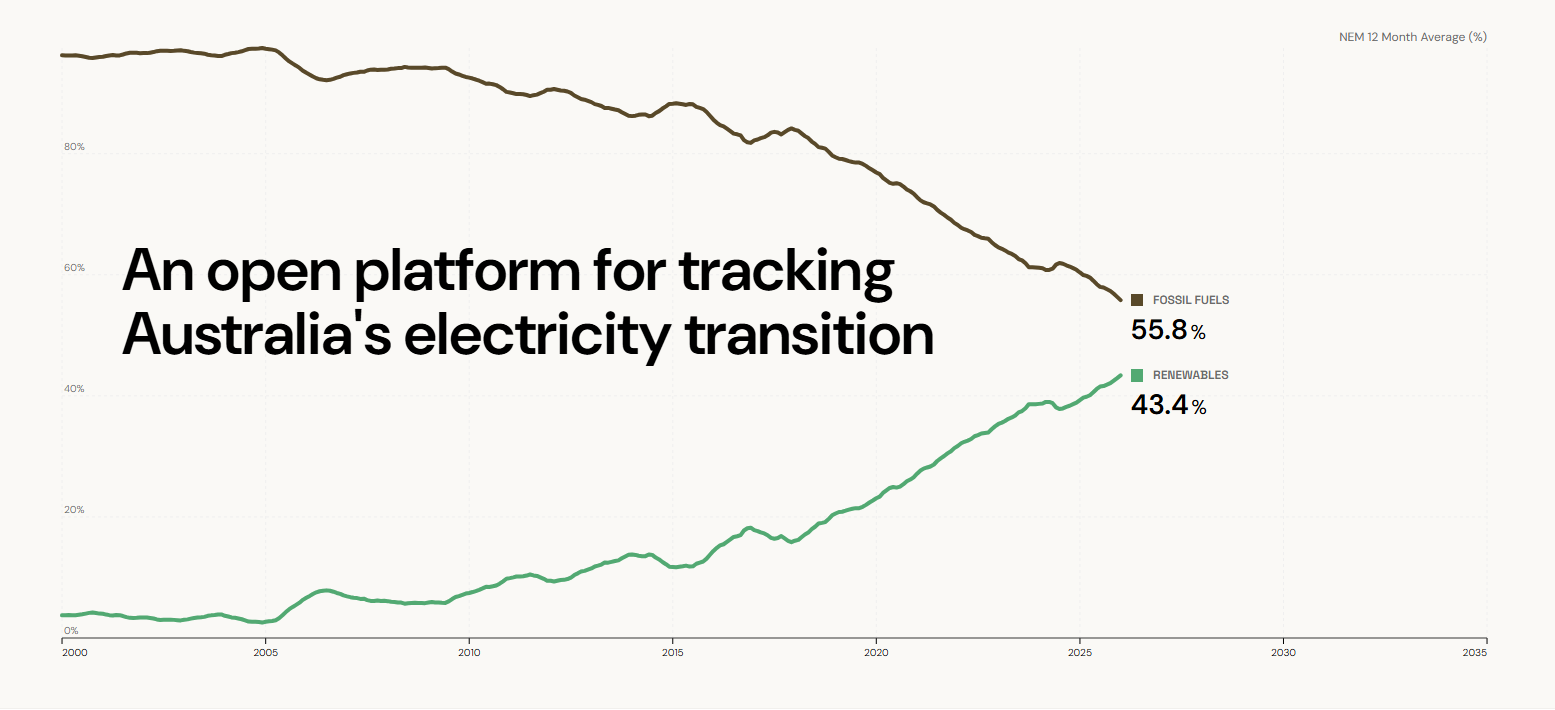
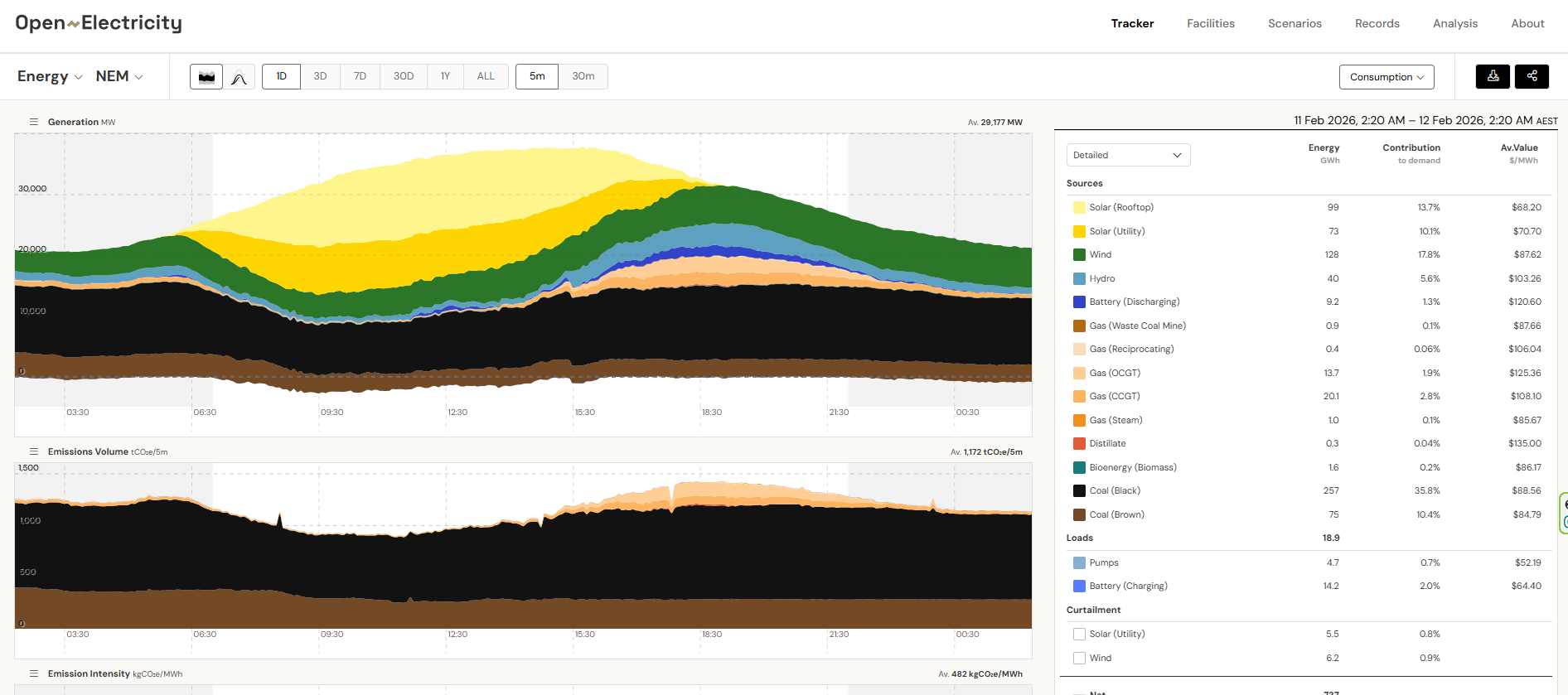
One good example is Open Electricity, an online platform that tracks Australia’s transition to cleaner energy:
https://openelectricity.org.au/
Platforms like these offer detailed insights into how electricity systems operate.
Looking ahead, having reliable and comprehensive electricity data will help improve system efficiency and encourage greater participation from stakeholders in developing the sector. Sharing data openly is therefore a shared responsibility—one that supports transparency, innovation, and smarter energy planning for the future.